County Sligo
With one of the greatest concentration of megalithic monuments in Ireland, Sligo chartered as a county since 1579 boasts a landscape as rich in lore as it is in beauty . Sacked by the Vikings at the beginning of the ninth century, Sligo came to prominence once again in 1235, when the de Burgo invasion overthrew the local chieftains. The land was granted to Maurice Fitzgerald, Lord of Naas - who founded a castle and friary there in the years that followed. Now destroyed, the castle once stood on what is currently Castle Street. During the Great Famine, Sligo's population fell dramatically by a third through either death or emigration. By the end of the last century though, the town experienced a significant turn around, becoming a busy centre and hub of activity.
The most celebrated of all of Ireland's poets, W.B Yeats was born in Dublin - his mother, however, was from Sligo, where he spent a lot of time as a child. Yeats visited Sligo frequently - periods which led to the inspiration of the poet in many of his future works, drawing spiritually from the county's scenic landscape and sense of place.
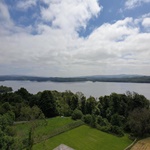
The town of Sligo is a seaport and commercial center. Just outside the town is Lough Gill, Yeats "Lake isle of Innisfree" Among the prehistoric sites in the area are Maeve's Mound, a huge cairn at Knocknarea, and megaliths at Carrowmore. Sligo's history dates from the mid-13th century with construction of a castle and the 13th-century Sligo Abbey. The abbey was destroyed in 1641 but now has restored cloisters.